Heat pump buying guide for Ontario homes
A whole-home ducted cold-climate heat pump typically costs $9,000 to $18,000 installed in Ontario, and a dual fuel system with a gas furnace backup $11,000 to $20,000. Whether it pays off for you depends on four things: your ductwork, your electrical panel, what you heat with today, and getting program pre-approval before anything is installed.
Heat pump prices in Ontario by setup
Heats and cools$9,000to$18,000
Ducted whole-home heat pump, typical installed price. Dual fuel and ductless below.
- Cold-climate heat pump, ductedwhole home, air source $9,000 to $18,000
- Dual fuel systemheat pump with gas furnace backup $11,000 to $20,000
- Ductless mini-split, single zoneone indoor head $3,500 to $6,500
- Ductless mini-split, multi-zone3 to 5 indoor heads $9,000 to $18,000
Installed price in Ontario, before 13% HST ($10,170 to $20,340 with HST). Standard replacement in a detached home with usable ductwork and venting.
On this page
- The short version: eight decisions, in order
- 1. Check whether your home is a good fit
- 2. Choose ducted, ductless or dual fuel
- 3. Demand real cold-climate performance
- 4. Size it for heating, not for your old AC
- 5. Budget for the electrical work
- 6. Get rebate pre-approval before anything is installed
- 7. Run the honest running-cost numbers
- 8. Compare quotes line by line
- Questions people ask
The short version: eight decisions, in order
Check whether your home is a good fit
Ducts, insulation, electrical capacity and your current fuel.
Choose ducted, ductless or dual fuel
Three setups with very different prices.
Demand real cold-climate performance
Heating capacity at -15°C, not the mild-weather rating.
A room-by-room load calculation, not the size of your old AC.
Budget for the electrical work
A circuit is typically $500 to $2,500; a panel upgrade $2,000 to $4,500.
Approval comes before installation, not after.
Run the honest running-cost numbers
Against a new gas furnace it usually costs a little more to run; against baseboards, oil or propane it usually wins.
Same scope, same capacity data, same paperwork.
1. Check whether your home is a good fit
A heat pump is an air conditioner that can run in reverse, pulling heat out of outdoor air in winter. Because it moves heat instead of burning fuel, it delivers more than one unit of heat for each unit of electricity, often several in mild weather. A few checks tell you how well that will work in your house.
Signs of a good fit
- Ductwork that already carries central air without loud registers or cold rooms
- An air conditioner or furnace near the end of its life, so a swap is coming anyway
- You heat with electric baseboards, oil or propane today
- 200 A electrical service, or room in the panel for a new 240 V circuit
- Insulation and air sealing that are reasonable for the age of the house
Harder cases (not deal-breakers)
- Ducts sized only for a furnace, with small or few return air grilles
- 100 A service already carrying an electric range, dryer or EV charger
- A drafty older house with a high heat loss
- No outdoor spot that stays clear of snow drifts and roof drip lines
- A newer high-efficiency gas furnace you would rather keep (this points to dual fuel)
Ducts matter because a heat pump delivers cooler air than a furnace and needs more airflow. Insulation matters because less heat loss means a smaller, cheaper system. To see how that system's price sits against a new furnace or central air, compare Ontario furnace prices and heat pump prices on one scale.
2. Choose ducted, ductless or dual fuel
Three setups cover nearly every Ontario home. The price gap between them is large, so this choice shapes your budget more than the brand does.
| Setup | Typical installed price | Best for | Watch for |
|---|---|---|---|
| Ducted cold-climate heat pump | $9,000 to $18,000 | Homes with good ducts that want one system to heat and cool, often replacing an old AC and furnace. | Duct airflow must be checked. All-electric designs add electric backup heat, which loads the panel. |
| Dual fuel (heat pump with gas furnace) | $11,000 to $20,000 | Homes on natural gas with ducts. The heat pump runs most of the year; the furnace covers deep cold. | You keep a gas account and its fixed monthly charges. |
| Ductless mini-split, single zone | $3,500 to $6,500 | One problem area: an addition, a finished basement, a room over the garage, or a small home. | Walls and closed doors keep it from heating the rest of the house. |
| Ductless mini-split, multi-zone | $9,000 to $18,000 | Homes without ducts, such as those heated by baseboards or a boiler. | Each indoor head needs a wall spot and a line route. Very small rooms are hard to serve without oversizing. |
Typical installed prices in Ontario, 2026, before 13% HST. Electrical work and duct changes are extra where needed.
Without ducts, compare multi-zone and single-zone options on the ductless mini-split price guide. Ground source is a separate category at $25,000 to $45,000 (see geothermal cost). Tier-by-tier pricing is on the heat pump price guide.
3. Demand real cold-climate performance
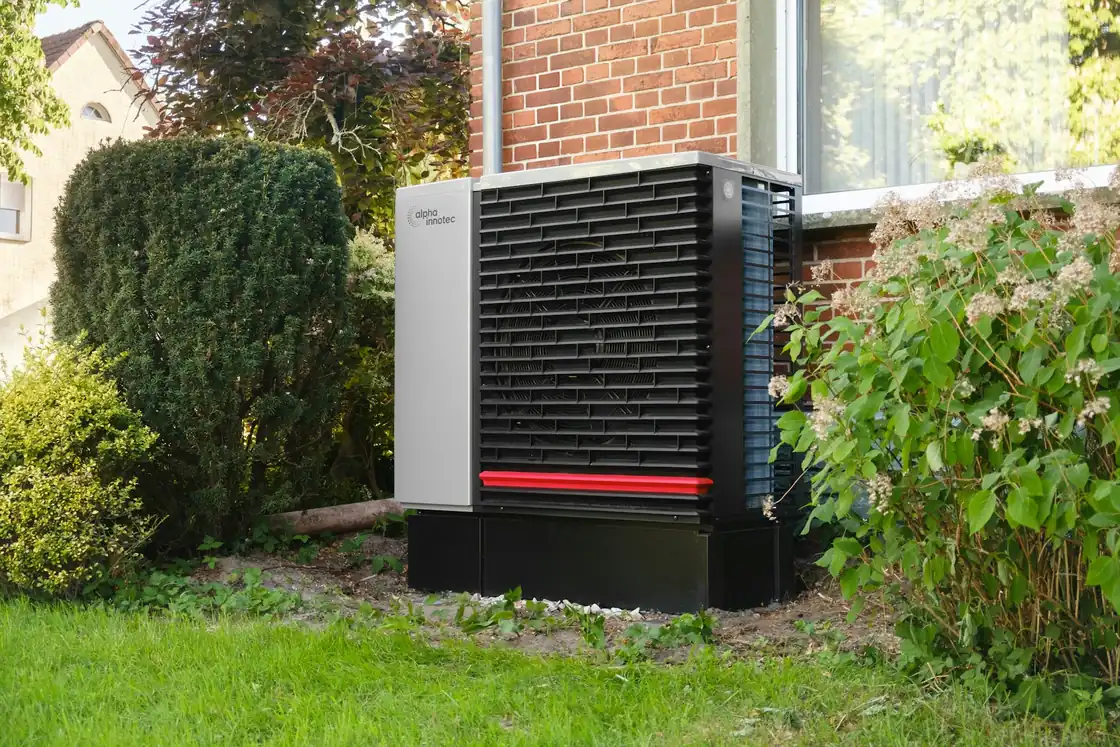
Every air source heat pump loses capacity as the outdoor air gets colder, just when your house needs the most heat. The brochure rating is measured in mild weather and tells you little about January. What separates a cold-climate model is how much heat it still produces at -15°C and below.
- Look for variable speed. Inverter-driven compressors ramp up in deep cold and slow down in mild weather.
- Check the low-temperature data. The NEEP cold-climate air source heat pump list publishes heating capacity and efficiency (COP) at 5°F (-15°C) for listed systems. Ask for those numbers for the exact indoor and outdoor combination quoted.
- Ask about the operating limit: the lowest outdoor temperature at which the unit keeps heating. Below it, backup heat does all the work.
- Expect defrost cycles. In damp cold the outdoor coil frosts and the unit briefly reverses to clear it. That is normal, but the meltwater needs somewhere to go.
4. Size it for heating, not for your old AC
Matching the tonnage of your old air conditioner can work for dual fuel, but it is the wrong starting point for a heat pump that carries the house through winter. In Canada the proper method is a CSA F280 room-by-room heat loss calculation for your area's winter design temperature, which runs from the high minus teens in the southwest to about -25°C in Ottawa.
- All-electric: the heat pump should cover most of the design heat load, with electric backup for the coldest hours. Variable-speed units can be sized toward the heating load without the short cycling a big single-speed AC would suffer.
- Dual fuel: the heat pump can be sized closer to the cooling load, and the furnace takes over below a switchover temperature you and the installer set.
Do not size to the rebate
Home Renovation Savings calculates air source amounts per ton of rated heating capacity at 8.3°C (47°F), a mild-weather rating. Choose the size your load calculation supports, not the size that maximizes a rebate.
5. Budget for the electrical work
Most heat pumps need a dedicated 240 V circuit and an outdoor disconnect. Backup heating elements in an all-electric air handler draw far more at peak than the heat pump itself, and that is usually what pushes an older 100 A panel over its limit. Only an electrician's load calculation can say whether yours needs an upgrade.
- Electrical work for a heat pump$500 to $2,500
- Electrical panel upgrade$2,000 to $4,500
- Ductwork modifications$500 to $3,000+
- New thermostat$150 to $600
- Municipal permit$75 to $300
Electrical work in Ontario needs a notification filed with the Electrical Safety Authority, usually by a licensed electrical contractor. Ask whether it, the circuit and any panel work are in the quote. The heat pump cost calculator adds these extras to an estimate for your setup.
Get a heat pump price for your house
A free in-home estimate checks your ducts, panel and outdoor space, then turns these ranges into a written price.
Free, no obligation. About a minute to request.
6. Get rebate pre-approval before anything is installed
The main Ontario incentive for heat pumps in 2026 is the heat pump stream of the Home Renovation Savings program. Here is how it worked when we last checked the official pages (October 4, 2026):
- Pre-installation approval is mandatory. Installing first can cost you the rebate on an otherwise eligible system.
- Your heating fuel sets the category. Homes heated by electricity, oil, propane or wood on the Ontario grid are in a higher category than Enbridge natural gas customers. Air source amounts are calculated per ton of rated heating capacity, up to a cap.
- Eligibility rules apply: homeownership, home type and product eligibility. Replacing an existing heat pump used for space heating is excluded, and rented systems have separate caps.
- Dual fuel: the heat pump is the rebated equipment and the furnace is backup heating. A standalone gas furnace or a cooling-only air conditioner is not a heat pump rebate measure.
- Payment is not instant: guidance points to about 60 days after post-installation approval.
Save on Energy's Energy Affordability Program offers income-qualified support through its own intake and delivery agents; it is a direct-install route, so do not expect it to reimburse equipment you buy privately. The Canada Greener Homes Loan closed to new applications on October 1, 2025. Published caps and a worked example are on our heat pump rebates page.
Programs change
Confirm the current terms on the official program page, and get your approval in writing, before you sign a contract or book an install date.
Program sources (checked October 4, 2026)
- Home Renovation Savings: heat pumps checked October 4, 2026
- Home Renovation Savings: terms and requirements checked October 4, 2026
- Save on Energy: Energy Affordability Program income-qualified support
- Natural Resources Canada: how the Greener Homes grant process works loan closure notice
7. Run the honest running-cost numbers
Whether a heat pump lowers your bill depends on what it replaces. The fairest comparison is the cost of one kilowatt-hour of heat delivered into the house, here at our defaults of about $0.50/m³ for natural gas (all-in) and $0.15/kWh for electricity:
| Heat source | Assumption | Cents per kWh of heat |
|---|---|---|
| High-efficiency gas furnace | 96% efficient, gas at $0.50/m³ | 5.0¢ |
| Older mid-efficiency gas furnace | 80% efficient, gas at $0.50/m³ | 6.0¢ |
| Cold-climate heat pump, good season | Seasonal COP 3.0, power at $0.15/kWh | 5.0¢ |
| Cold-climate heat pump, planning default | Seasonal COP 2.5 | 6.0¢ |
| Electric baseboards or electric furnace | COP 1.0 | 15.0¢ |
COP is heat delivered per unit of electricity over the season. Real results vary with the unit, the install and the winter.
A worked example: a house that burns 2,000 m³ of gas a year for space heating in a 96% furnace gets about 19,900 kWh of heat and pays about $1,000. The same heat from a heat pump costs about $1,190 at a seasonal COP of 2.5, or $990 at 3.0. From electric baseboards it would cost about $2,980.
So on natural gas, a heat pump is close to break-even on heating at default prices; the case rests on replacing the AC at the same time, comfort and lower emissions, and the gas account's fixed charge continues if you keep gas for a water heater or backup. For homes heated by baseboards, oil or propane, the savings are usually substantial. Run your own numbers in the heating cost calculator.
8. Compare quotes line by line
Get two or three written quotes for the same setup and capacity. Heat pump scopes vary widely: one installer prices the electrical work, another leaves it out.
Questions to ask before you sign
- What is this system’s heating capacity and COP at -15°C, and is it on the NEEP list?
- What share of my design heat load does it cover, and what takes over below that?
- Did you do a CSA F280 room-by-room load calculation, and can I have a copy?
- What is the AHRI reference number for this exact outdoor and indoor combination?
- Is the electrical work included: circuit, disconnect, ESA notification and any panel work?
- Does the price include the pad or bracket, line set, condensate drain, thermostat and permit, and is it before or after HST?
- Will you wait for my rebate pre-approval before installing? Who registers the equipment for warranty?
Red flags: no load calculation, a price that jumps once you mention a rebate, pressure to sign the same day, or an install date offered before your pre-approval arrives. If the heat pump also replaces an aging air conditioner, the air conditioner buying guide covers coil matching and condenser placement.
Get a Free Quote
8 quick questions, about a minute. Free and without obligation.
You already sent a request during this visit, and our booking team will be in touch. Send another only for a different home or system.
Questions people ask
Do heat pumps really work in an Ontario winter?
Yes, if you buy a cold-climate model and size it for heating. Modern variable-speed units keep producing heat well below -15°C, although capacity and efficiency fall as it gets colder. Most Ontario installs pair the heat pump with backup heat, either electric elements or a gas furnace, for the coldest hours. Ask to see the unit’s heating capacity at -15°C before you sign.
Should I keep my gas furnace as a backup?
If your furnace is fairly new and you are on natural gas, dual fuel is often the practical choice: the heat pump covers most of the year and the furnace takes over in deep cold. You avoid large electric backup loads and keep a familiar heat source. The trade-off is keeping the gas account and its monthly charges. All-electric makes more sense where baseboards, oil or propane heat the home today.
How much does a heat pump cost to install in Ontario?
Typical 2026 installed prices before HST: a ducted cold-climate heat pump for the whole home $9,000 to $18,000, dual fuel with a gas furnace $11,000 to $20,000, a single-zone ductless mini-split $3,500 to $6,500, and a multi-zone ductless system $9,000 to $18,000. Electrical work adds $500 to $2,500, plus $2,000 to $4,500 if the panel needs an upgrade.
Do I need a new electrical panel for a heat pump?
Not always. Many homes with 200 A service add a heat pump on a new dedicated circuit. Homes with 100 A service, or an all-electric design with large backup heating elements, are where upgrades come up. Only an electrician’s load calculation can say. Ask for it before you sign, so a $2,000 to $4,500 panel upgrade does not appear halfway through the job.
Can I apply for a heat pump rebate after it is installed?
Not under Home Renovation Savings as it stood when we checked on October 4, 2026: approval before installation was mandatory. Installing first can make an otherwise eligible system ineligible. Check homeownership, home type and product eligibility, get the approval, then book the install. Programs change, so confirm the current rules on the official program page before you buy.